RVing in Virginia: Best Routes and Destinations
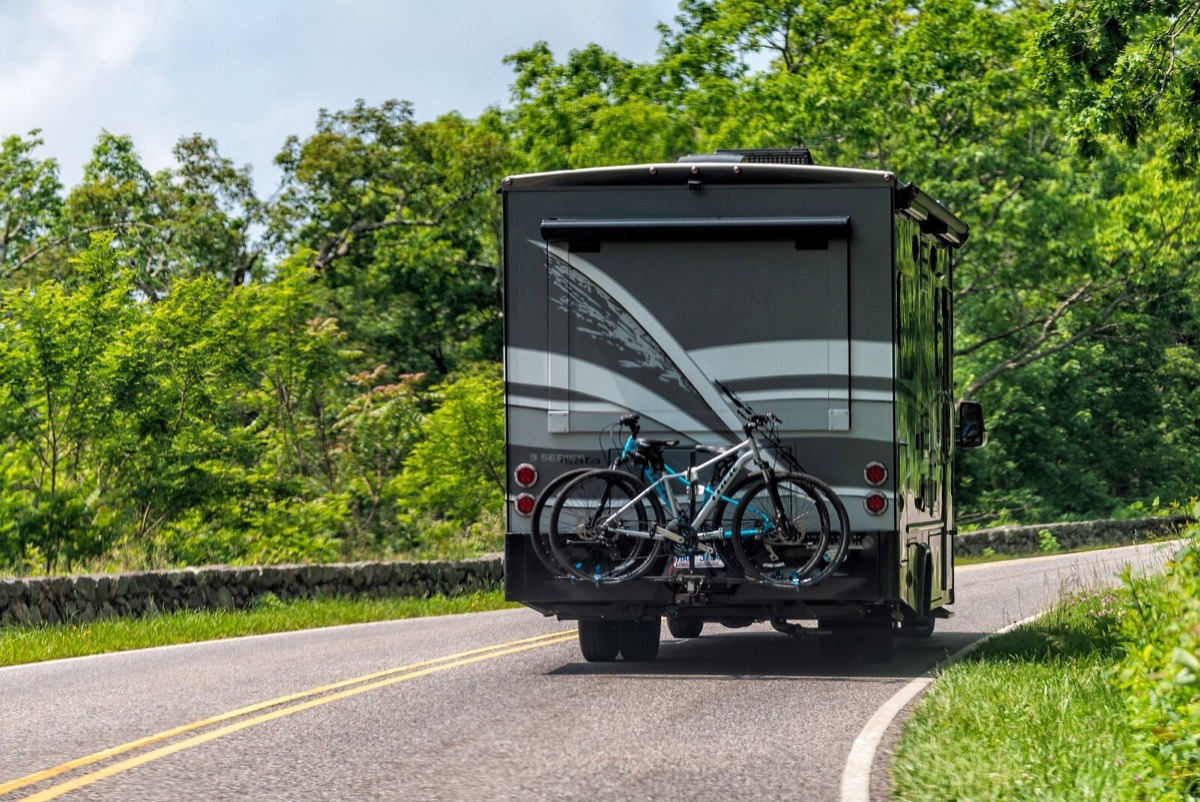
Virginia offers one of the most versatile landscapes for road-trippers in the eastern United States.
Within a single state, you can navigate misty mountain crests, wind through rolling wine country, explore rich colonial history, and set up camp right on the Atlantic shore.
Whether you travel in a compact camper van or a 40-foot Class A motorhome, Virginia’s state parks, national parkways, and coastal preserves make it a premier destination for RV travel.
Top Iconic Driving Routes
1. Skyline Drive (Shenandoah National Park)
Running 105 miles along the crest of the Blue Ridge Mountains, Skyline Drive is Virginia’s premier mountain route. With 75 overlooks offering sweeping views of the Shenandoah Valley to the west and the Piedmont to the east, it is a bucket-list drive for nature lovers.
- Best Time to Visit: Mid-to-late October for vibrant autumn colors, or late May for blooming mountain laurel.
- Navigational Note: Mind the low clearance at Marys Rock Tunnel (Milepost 31.5), which has a maximum clearance of 12 feet 8 inches. Vehicles over this height must detour around this section.
2. Blue Ridge Parkway
Picking up right where Skyline Drive ends in Waynesboro, the Blue Ridge Parkway stretches south toward North Carolina. Known as "America's Favorite Drive," this non-commercial highway offers gentle curves, slow speed limits (35–45 mph), and endless vistas.
- Key Highlights: Mabry Mill (Milepost 176.1) for iconic photography, Peaks of Otter (Milepost 86), and the historic town of Roanoke.
- RVer Tip: Fuel options directly on the parkway are limited. Plan exit points into nearby gateway towns to refuel larger rigs.
3. Colonial Parkway
Connecting Jamestown, Williamsburg, and Yorktown, this 23-mile scenic highway is paved with river gravel set in concrete, giving it a unique historic feel. Free of commercial vehicles and highway signage, it feels like traveling back in time to the birth of the nation.
Must-Visit Destinations & Basecamps
Shenandoah Valley & Ridge Mountains
- Big Meadows Campground: Located in the heart of Shenandoah National Park, offering access to waterfalls and hiking trails. Suitable for rigs up to 30 feet (dry camping/no hookups).
- Loft Mountain Campground: The park's largest campground, perched on a hilltop with incredible views and easy access to the Appalachian Trail.
Virginia Beach & Coastal Plain
- First Landing State Park: Nestled behind the dunes of Cape Henry, this park offers shaded campsites with water and electric hookups, direct beach access, and miles of wooded hiking trails.
- False Cape State Park / North Landing Beach: For a quieter coastal retreat, several private RV resorts along the Back Bay area offer full hookups, boat launches, and kayak rentals.
Southwest Virginia & Appalachian Culture
- Grayson Highlands State Park: Famous for its wild ponies and high-altitude alpine meadows. Located near Mount Rogers, Virginia's highest peak, it offers well-maintained campgrounds suitable for various RV sizes.
- Hungry Mother State Park: Located near Marion, offering a picturesque lake, paved roads, full-hookup sites, and family-friendly water sports.
Essential RV Tips for Virginia
- Toll Roads and Tunnels: If traveling through the coastal region (Norfolk/Virginia Beach), pay attention to propane restrictions in tunnels. The Chesapeake Bay Bridge-Tunnel and Hampton Roads Bridge-Tunnel require drivers to turn off propane tanks before crossing, and inspections are common.
- Seasonal Crowds: Shenandoah National Park reaches peak capacity during fall foliage season (October). Reserve campgrounds at least 6 months in advance for autumn trips.
- Mountain Braking: Virginia’s mountain passes feature long, steep downgrades. Downshift to lower gears to engine-brake rather than riding your brakes to avoid overheating.
Frequently Asked Questions
What is the maximum RV height allowed on Skyline Drive?
While most of Skyline Drive accommodates standard RVs, the Marys Rock Tunnel (located between Thornton Gap and Front Royal at Milepost 31.5) has a clearance limit of 12 feet 8 inches. Rigs exceeding this height should plan an alternate route around that stretch.
Are propane tanks allowed in Virginia bridge-tunnels?
Yes, but with strict restrictions. You are permitted to carry up to two 45-pound propane tanks (or up to two 60-pound capacity tanks on non-recreational vehicles). However, the main valves must be turned completely off prior to entering tunnels such as the Chesapeake Bay Bridge-Tunnel or the Monitor-Merrimac Memorial Bridge-Tunnel.
Do I need a special driver's license to drive a large RV in Virginia?
No. As long as your RV is used strictly for non-commercial, personal recreational purposes, a standard Class D driver's license is sufficient regardless of the vehicle’s length or weight rating.
When do state park campgrounds close for the season?
Many Virginia State Park campgrounds operate seasonally from the first Friday in March through the first Monday in December. However, several parks—including select campgrounds at Shenandoah, First Landing, and Douthat—offer year-round or extended-season camping options for cold-weather travelers.
⚠ Specs, prices and road conditions change. Confirm details with the manufacturer, dealer or road authority, and always check your tow ratings before you hit the road.